Open-agent device management,
for fleets you actually control.
Manage Linux hosts and Android devices from one operator dashboard. Bootstrap with scripts or self-hosted Android provisioning, queue commands, track telemetry, and opt supported devices into cooperative compute without vendor lock-in or per-seat licenses.
Early access for technical operators
Features
One control plane, different management paths
Linux and agent-managed Android are live today. Dedicated Android keeps the stronger Device Owner adapter when you need kiosk and policy control.
Agent Enrollment
Generate bootstrap flows for Linux hosts and Android / Termux devices without forcing everything through a vendor-managed MDM path.
Dedicated Android Adapter
Keep the stronger self-hosted Device Owner path for kiosk fleets and dedicated Android deployments where deeper control actually helps.
Capability-Aware Commands
Queue commands, capture output, and keep a full audit trail while matching the command surface to each device's management mode.
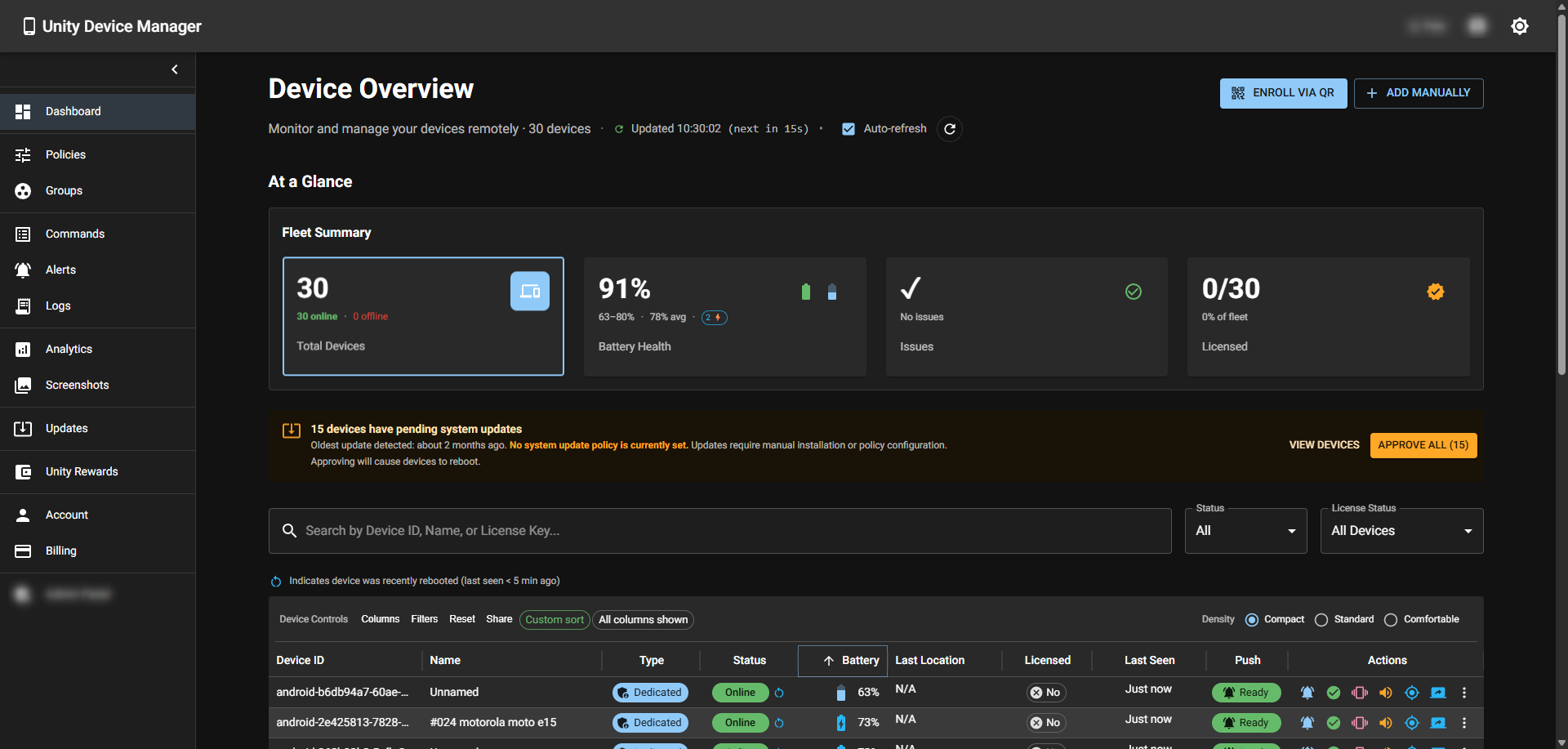
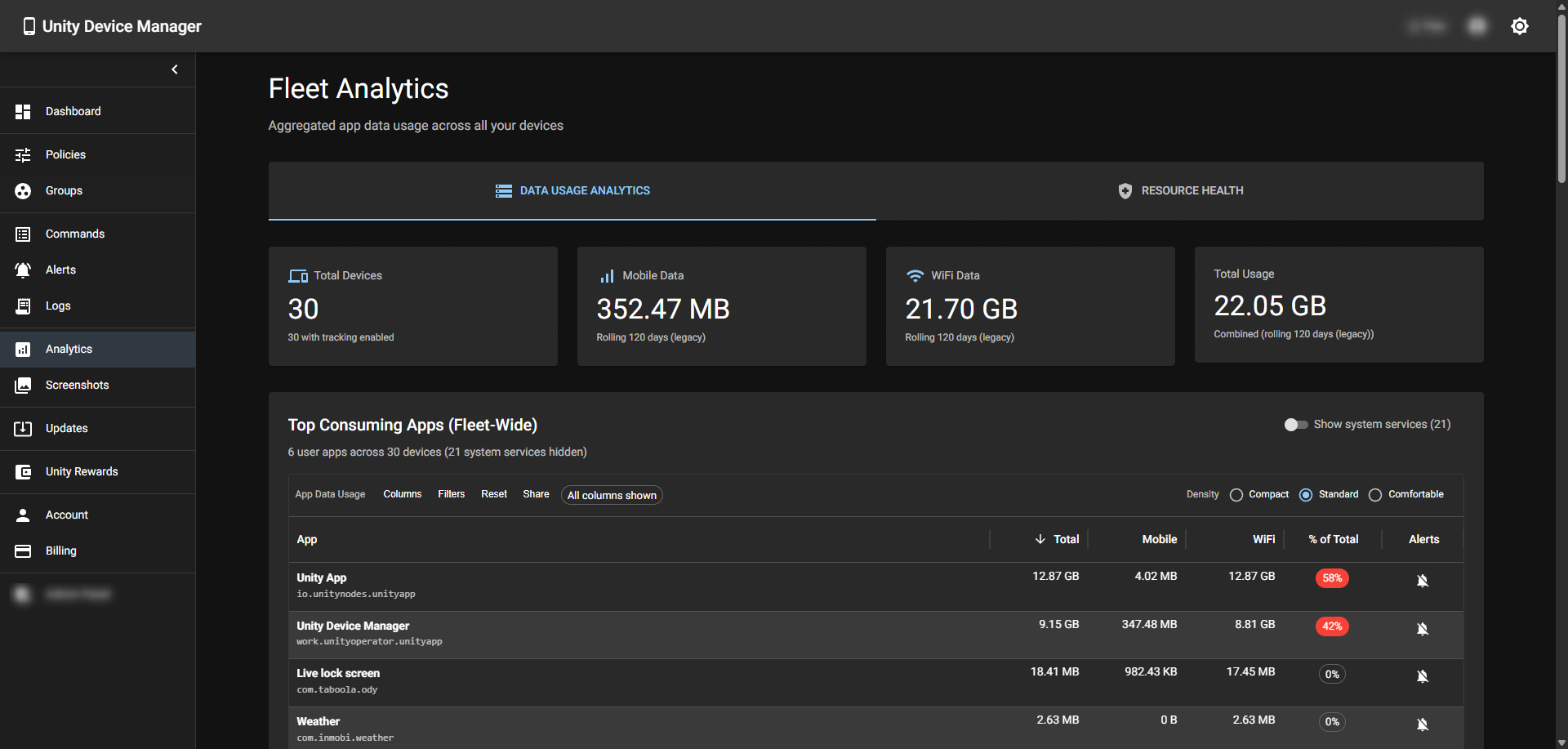
Fleet Telemetry
Track heartbeat health, resource trends, and data usage from one operator view instead of stitching together separate tools.
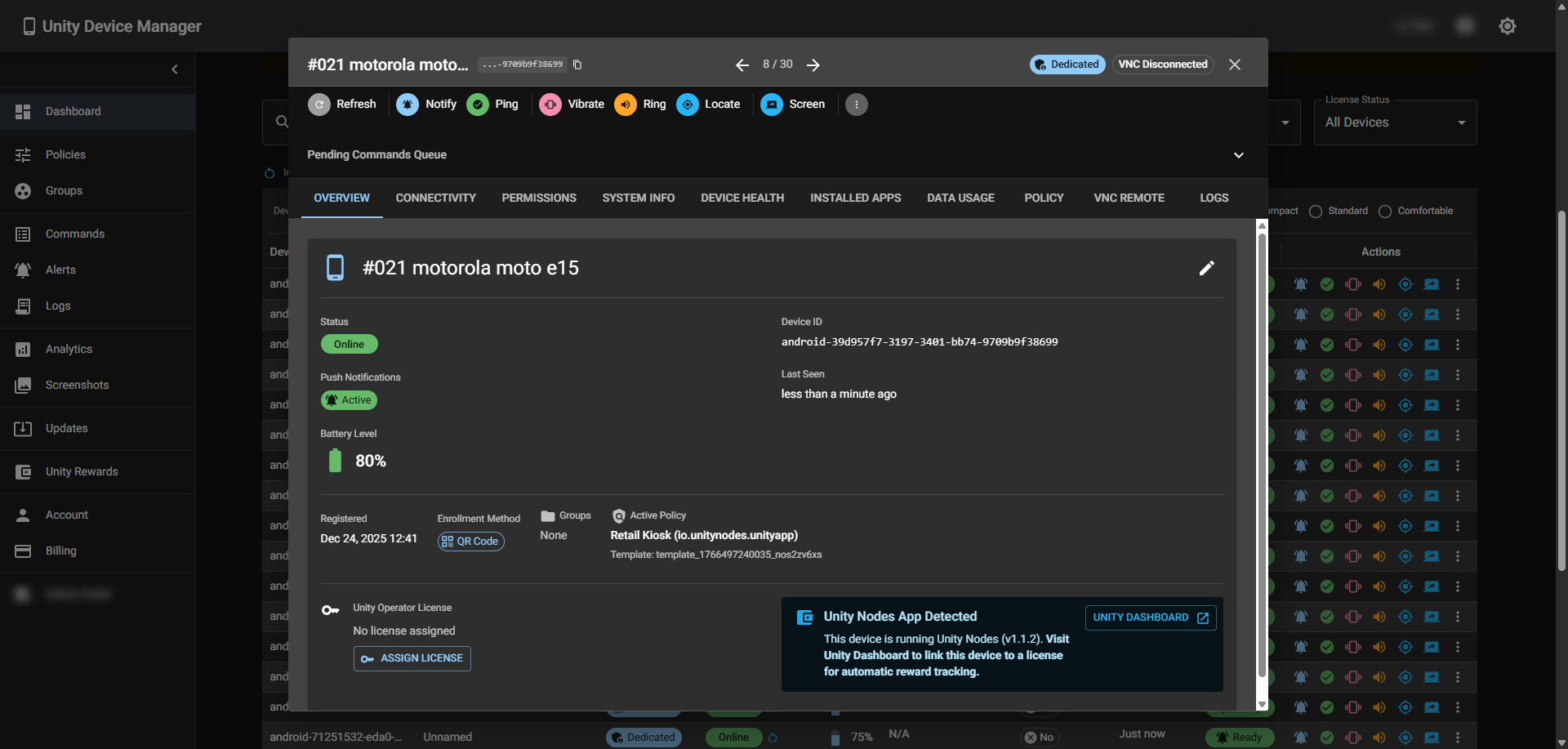
Remote Visibility
Use on-demand screenshots and VNC remote access on supported Android paths when you need to see what a device is actually doing.
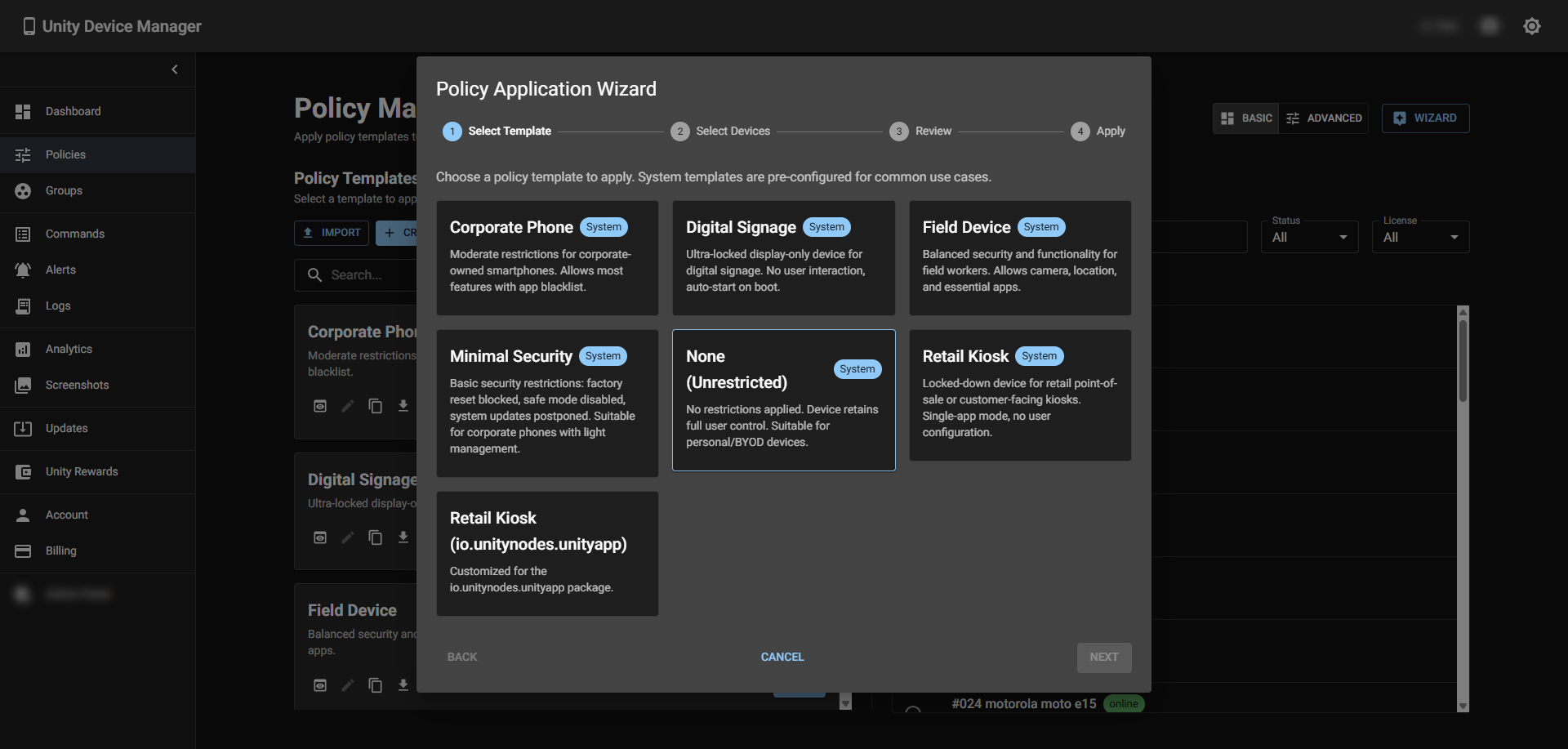
Policy Templates
Apply templates, groups, and audit logging on the strong-management path without making policy engines the prerequisite for every device.
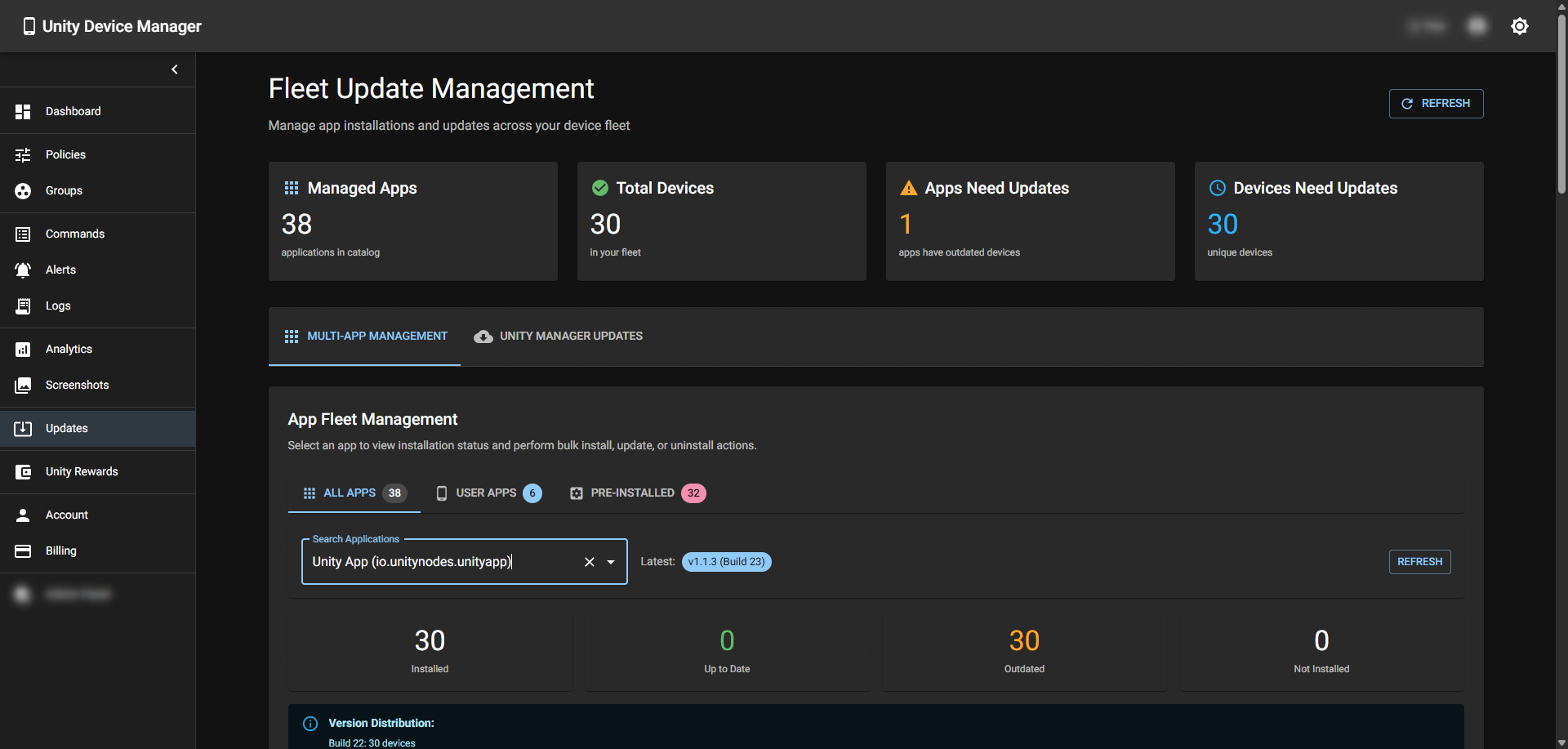
Bulk App Operations
Install, update, and remove apps across supported devices from the same control plane, with version tracking and rollout history.
Cooperative Compute Opt-In
Turn supported devices into optional Dugnad capacity when you want fleet resources to do more than just sit idle.
How It Works
Bring mixed fleets under one control plane
Start with the management path that fits the device. Linux and Android agent enrollment are live today, and dedicated Android can still use the stronger Device Owner flow.
Request access
Join the early-access list while we onboard technical operators in batches.
Choose the management path
Use script-based agent enrollment for Linux and Android / Termux, or the Device Owner adapter for dedicated Android fleets.
Bootstrap the device
Generate a script or QR flow, enroll the device, and let it report capabilities, trust level, and live health.
Operate the fleet
Send commands, inspect telemetry, roll out apps, and enable cooperative compute on supported devices.
Pricing
Per-device pricing without seat licenses
Every feature stays available across the product. The first 3 devices are free, then billing follows managed device count with automatic volume discounts instead of fixed plan caps or admin-seat pricing.
Devices 4-25
$2.50/device/mo
Linear billing once you move past the free allowance
Request AccessFAQ
Frequently asked questions
What devices are supported today?
Linux computers, dedicated Android devices, and Android personal / Termux devices are the live paths today. macOS-as-unix-host and Windows-as-agent-host are planned next. Apple MDM, AMAPI, and native Windows MDM are intentionally out of scope.
How does enrollment work?
It depends on management mode. Linux and Android / Termux use agent bootstraps generated from the dashboard. Dedicated Android fleets can still use the self-hosted Device Owner QR flow when they need stronger control.
Do I need vendor enrollment programs or root?
No. Unity Operator is built around operator-controlled enrollment paths. You do not need partner-program approval, vendor MDM registration, or rooted devices to use the supported flows.
Is every capability available on every device?
No. The command surface follows capabilities and management mode. Dedicated Android can expose stronger kiosk and policy controls, while the generic agent path focuses on enrollment, commands, telemetry, and cooperative features.
What does cooperative compute opt-in mean?
Supported devices can opt into Dugnad cooperative compute when you want spare fleet capacity to participate. It is optional and sits alongside the core fleet-management workflows rather than replacing them.
Is my data secure?
All communication is over HTTPS. Devices authenticate with signed enrollment and device tokens, and operator-side actions keep an audit trail in the control plane.
How do pricing and access work?
Pricing scales by managed device count, not by operator seats. The product is still in early access, so new operators come in through the request-access flow while the multi-platform surface expands.
Request access for your fleet
We are onboarding technical operators who want one control plane for Linux and Android today, with more agent-managed platforms following the same model.
Questions? support@unityoperator.work